六、为了让学生们更多地了解交通规则,学校举办了交通规则宣传讲座,快来听一听吧。阅读短文,判断正(T)误(F)。
The traffic lights are the same in every country. There are always three lights—red, yellow and green. Red means “Stop”, yellow means “Wait” and green means “Go”. In most parts of the People’s Republic of China, drivers drive on the right side of the road. In the United States, drivers drive on the right side too. In the United Kingdom and Australia, however, drivers drive on the left side of the road. If you go by car, by bike or on foot, you must know the traffic rules.
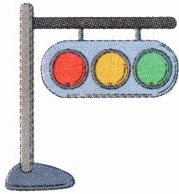
(
F
)1. The traffic lights are different in every country.
(
F
)2. Red means “Wait”, yellow means “Stop” and green means “Go”.
(
F
)3. In the UK and Australia, drivers drive on the right side of the road.
(
T
)4. Most Chinese and Americans drive on the same side of the road.
(
T
)5. You should always know the traffic rules and follow them.
解析:
【分析】
这是一道阅读理解判断题,解题思路为:首先通读短文,掌握短文核心内容,然后逐个查看题目,在短文中找到与题目对应的语句,通过对比原文内容和题目表述来判断对错。具体思考步骤如下:
1. 对于第1题,需定位到短文开头描述交通灯的语句,对比题目和原文的表述差异;
2. 第2题要找到关于交通灯颜色含义的句子,核对题目里的含义是否和原文一致;
3. 第3题需查找关于英国和澳大利亚驾驶方向的内容,判断题目表述是否正确;
4. 第4题结合中国和美国的驾驶方向描述,判断两者是否一致;
5. 第5题根据短文最后一句关于交通规则的要求,确定题目表述是否符合原文。
【解析】
1. 根据短文第一句“The traffic lights are the same in every country.”可知,每个国家的交通灯是相同的,题目“The traffic lights are different in every country.”表述错误,故填F。
2. 根据短文“Red means ‘Stop’, yellow means ‘Wait’ and green means ‘Go’.”可知,红色代表“停止”,黄色代表“等待”,绿色代表“通行”,题目中的含义描述与原文不符,故填F。
3. 根据短文“In the United Kingdom and Australia, however, drivers drive on the left side of the road.”可知,英国和澳大利亚的司机靠左行驶,题目说靠右行驶,表述错误,故填F。
4. 根据短文“In most parts of the People’s Republic of China, drivers drive on the right side of the road. In the United States, drivers drive on the right side too.”可知,大部分中国司机和美国司机都靠右行驶,行驶方向相同,题目表述正确,故填T。
5. 根据短文最后一句“If you go by car, by bike or on foot, you must know the traffic rules.”可知,无论采用哪种出行方式,都必须了解交通规则,题目“You should always know the traffic rules and follow them.”表述符合原文,故填T。
【答案】
1~5 F F F T T
【知识点】
细节查找判断、交通规则英语表达、阅读理解正误判断
【点评】
本题主要考查学生对短文细节信息的提取和比对能力,内容围绕交通规则展开,既考查了英语阅读理解能力,也帮助学生了解不同国家的交通差异,需要学生仔细阅读原文,精准定位对应信息,避免粗心出错。
【难度系数】
0.8