零五网 全部参考答案 随堂反馈 2026年综合素质随堂反馈八年级英语下册译林版常州专版 第38页解析答案
一、词汇运用
1. The city is known for its exciting
nightlife
(夜生活), with many bars and clubs open until early morning.
2. We saw many ancient
bridges
(桥) when we visited Zhouzhuang Ancient Town.
3.
Counting
(数数) from one to ten is one of the first things children learn in Maths.
4. — Excuse me, do you know where the restrooms are?
— Sorry, I have no idea. Do you see the
guards
(卫兵) over there? They can help you.
5. The poor children's eyes shone with
excitement
(兴奋) when they received the winter clothes from these volunteers.
6. The
Italian
(意大利的) city of Venice is famous for its canals (运河).
7. Without d
doubt
, you'll pass the English exam because you've worked so hard this term.
8. The festival offers a bit of e
everything
—food, games, and music—so there's fun for all ages.
答案:1. nightlife 2. bridges 3. Counting 4. guards 5. excitement
6. Italian 7. doubt 8. everything
解析:
【分析】
这是一道初中英语词汇运用题,解题思路是:先逐句通读,准确理解句子的整体语义,再结合括号给出的中文提示、或者句首给出的首字母线索锁定对应单词,最后结合句中的语法限定条件(比如修饰词、句子成分、后文指代线索)调整单词的正确形式,确保语义通顺、语法合规。比如看到many修饰可数名词要变复数,看到动词放在句首作主语要变动名词且首字母大写,看到介词后接成分要优先用名词形式等,同时还要结合常见固定搭配的积累完成首字母填空的部分。
【解析】
1. 句意为:这座城市以其令人兴奋的夜生活闻名,有大量酒吧和俱乐部营业到凌晨。中文提示“夜生活”对应英文单词nightlife,它是不可数名词,此处直接作介词for的宾语,无需变形,填nightlife。
2. 句意为:我们游览周庄古镇的时候看到了很多古老的桥。中文提示“桥”对应单词bridge,空格前有many修饰可数名词,需要使用复数形式,填bridges。
3. 句意为:从1数到10是孩子们在数学课上学的首批内容之一。中文提示“数数”对应动词count,此处需要作句子的主语,动词不能直接作主语,要变为动名词形式,且句首首字母需要大写,填Counting。
4. 句意为:——打扰一下,你知道洗手间在哪吗?——不好意思我不清楚,你看到那边的卫兵了吗?他们可以帮你。中文提示“卫兵”对应单词guard,后文的They指代空格处的名词,说明要使用复数形式,填guards。
5. 句意为:当贫困的孩子们收到志愿者送来的冬衣时,他们的眼睛里闪烁着兴奋的光芒。中文提示“兴奋”,空格放在介词with之后,需要填入名词作宾语,“兴奋”的名词形式是excitement,为不可数名词,填excitement。
6. 句意为:意大利的城市威尼斯以运河闻名。中文提示“意大利的”,此处需要修饰后面的名词city,要使用形容词作定语,填Italian。
7. 句意为:毫无疑问你会通过英语考试,因为你这学期学习非常努力。根据首字母d提示和常用固定搭配without doubt(毫无疑问),填doubt。
8. 句意为:这个节日提供了所有内容——食物、游戏和音乐——所以各个年龄段都能找到乐趣。根据后文列举的多类活动、以及“全年龄段都有乐趣”的语义,结合首字母e提示,此处表示“所有事物”,填everything。
【答案】
1. nightlife 2. bridges 3. Counting 4. guards 5. excitement 6. Italian 7. doubt 8. everything
【知识点】
核心词汇拼写,名词单复数,词性转换
【点评】
本题属于英语基础词汇考察题型,兼顾中文提示和首字母提示两类考法,既考察学生对课标核心单词的识记能力,也考察学生结合语境线索、语法规则调整词形的应用能力,同时也涉及常见固定搭配的积累,整体考点覆盖全面,适合用来巩固单元基础词汇。
【难度系数】
0.7
二、从方框中选择适当的单词或短语,填入其正确形式。每个单词或短语仅用一次
live practise excite true count down
The school music festival was just around the corner! Everyone in our class talked about it every break and we were all 1.
counting down
the days until the important day. Students were busy preparing for the 2.
live
music shows, and Ellen was one of them. She volunteered to play the pipa.
But on the day of the festival, Ellen felt nervous. "You can do it!" her friend encouraged. "You have 3.
practised
so hard for years and your playing sounds beautiful even when you're just practising!"
When Ellen stepped onto the stage, she took a deep breath and began to play. When she finished, everyone cheered loudly with 4.
excitement
. Ellen felt proud and happy, knowing her effort had paid off. This was a 5.
truly
wonderful experience.
答案:1. counting down 2. live 3. practised 4. excitement 5. truly
解析:
【分析】
首先通读整篇短文,把握文章讲述的是班级同学为学校音乐节做准备,Ellen上台表演琵琶最终获得大家喝彩的核心语境,再梳理方框给出的5个备选词/短语:live、practise、excite、true、count down,结合“每个词仅用一次、需变换正确形式”的要求逐个推导:
1. 第一空结合大家盼着节日到来的语境,判断动作是倒数日子,再结合空前的were判断时态,推导对应形式;
2. 第二空修饰音乐节的演出,结合线下音乐节的场景,判断语义为“现场的演出”,匹配对应词汇;
3. 第三空后面有for years表多年持续的动作,空前有have,判断是现在完成时,将practise变换为对应形式;
4. 第四空前是介词with,介词后需要接名词,结合大家欢呼的状态,把excite变为名词形式;
5. 第五空修饰后面的形容词wonderful,修饰形容词需用副词,把true变为副词形式,最后校验所有词仅使用一次,语义和语法都通顺即可。
【解析】
1. 第1空:语境表示我们一直倒数着距离重要日子的天数,空前有be动词were,构成过去进行时结构“was/were + 现在分词”,count down意为“倒数”,其现在分词形式为counting down,故填counting down。
2. 第2空:此处修饰名词短语music shows,音乐节的演出是现场实况演出,live作形容词可表示“现场的、实况的”,直接作定语修饰名词,故填live。
3. 第3空:句意为你已经刻苦练习很多年了,空前有助动词have,构成现在完成时结构“have + 过去分词”,practise意为“练习”,其过去分词形式为practised,故填practised。
4. 第4空:句意为所有人都兴奋地大声欢呼,介词with后面需要接名词作宾语,excite对应的名词形式是excitement,with excitement是固定搭配,意为“兴奋地”,故填excitement。
5. 第5空:此处需要修饰形容词wonderful,修饰形容词要用副词,true对应的副词形式是truly,意为“真正地”,表示这是一次非常棒的经历,故填truly。
【答案】
1. counting down 2. live 3. practised 4. excitement 5. truly
【知识点】
动词时态变形,词性转换,固定搭配
【点评】
本题是初中英语典型的选词变形填空题,既考查学生对上下文语境的理解能力,又考查基础语法的实际应用,要求学生不能直接照搬备选词原形,要结合时态规则、词性修饰逻辑调整形式,易错点集中在过去分词变形、形容词转副词、动词转名词这几处,整体考察的知识点偏向基础。
【难度系数】
0.6
三、完成句子
1. 不管你同意与否,我们都不会改变我们的主意。
Whether you agree or not
, we will not change our mind.
2. 她解决问题的能力在我们团队中是不亚于任何人的。
Her ability to solve problems
is second to none
in our team.
3. 这个夜市什么都有点儿,从当地小吃,到精美的手工制品。
The night market
has a bit of everything
, from local snacks to fine handicrafts.
4. 关于这项新技术,用户们对它有不同的看法。
As for the new technology
, users have different ideas on it.
5. 毫无疑问,人工智能(AI)已经改变了我们的生活。
There is no doubt (that) AI has changed
our lives.
答案:1. Whether you agree or not 2. is second to none 3. has a bit of everything
4. As for the new technology 5. There is no doubt (that) AI has changed
解析:
【分析】
这是一道英语完成句子题型,解题时首先要对照给出的中文句意和已有的英文后半部分,精准定位需要补全的内容对应的核心英语表达:首先判断补全部分是句首状语、谓语部分还是固定句型,再结合主谓一致、时态、句首大写等语法细节调整形式,优先选用符合英语母语表达习惯的固定短语/句型,避免逐字翻译的中式英语问题。比如遇到“不管是否”优先想到whether...or not结构,“毫无疑问”优先匹配对应的固定句型,同时注意第三人称单数主语的谓语变形规则。
【解析】
1. 此处需要补全让步状语“不管你同意与否”,英语中常用whether...or not的固定让步结构表达该含义,句首单词首字母大写,因此填入Whether you agree or not。
2. 此处需要补全谓语部分“不亚于任何人”,固定习语be second to none含义为“首屈一指,不输给任何人”,主语Her ability是单数第三人称,be动词选用一般现在时的is,因此填入is second to none。
3. 此处需要补全谓语部分“什么都有点儿”,固定搭配have a bit of everything恰好对应该语义,主语The night market是单数第三人称,一般现在时谓语动词have变形为has,因此填入has a bit of everything。
4. 此处需要补全句首引出论述对象的状语“关于这项新技术”,短语as for用于引出描述对象,符合语义逻辑,句首单词首字母大写,因此填入As for the new technology。
5. 此处需要补全“毫无疑问,人工智能已经改变”的完整句型,固定句型There is no doubt (that)...表示“毫无疑问……”,从句中“已经改变”用现在完成时表达动作对现在的持续影响,主语AI是单数,助动词用has,因此填入There is no doubt (that) AI has changed。
【答案】
1. Whether you agree or not
2. is second to none
3. has a bit of everything
4. As for the new technology
5. There is no doubt (that) AI has changed
【知识点】
让步状语结构
固定短语搭配
常用英语句型
【点评】
本题全部考查中小学阶段高频出现的英语核心固定表达,没有偏难怪的知识点,既考察学生对常用短语句型的记忆熟练度,也顺带考察了主谓一致、时态等基础语法细节,这类积累也可以直接复用在英语写作中提升表达地道度。
【难度系数】
0.8
四、阅读理解
The Maori (毛利人) arrived in New Zealand from Polynesian (波利尼西亚) islands about a thousand years ago. They were the first people to live in New Zealand.
In the late 18th century, Europeans came to live in New Zealand. At that time, the population (人口) of the Maori might be 250,000 in New Zealand. Over the next one hundred years, wars (战争) and diseases killed many Maori people. By the end of the 19th century, there were only about 40,000 Maori people left. During this time, the Maori also lost much of their land to the Europeans. Many of them were afraid that they might lose their traditions and language too, but this did not happen.
Today the population of the Maori is increasing. There are about 500,000 Maori people in New Zealand. Most of them live like other New Zealanders, but they are keeping the Maori language and traditions alive. There are now Maori radio and television stations. Many schools teach in the Maori language. Nearly one half of Maori language speakers are 25 years old or younger.
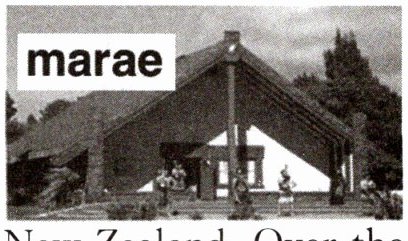
Maori culture is also alive and well. At the centre of Maori culture is the "marae". This is a special place for ceremonies (仪式) and meetings. Today the number of marae in New Zealand is increasing. Many of the new marae are in the cities. Now people in the cities can meet and learn about their Maori traditions.
Today most New Zealand cities have Maori festivals each year. Among festival activities are competitions in speaking, dancing and singing. Children practise for months. Then all the Maori in the area arrive to watch the competitions and see who wins.
The Maori have gone through hard times. Today they live a comfortable, modern life. They keep their cultural traditions alive, because they have passed and are passing them on to their children.
(
A
) 1. When did the Maori first arrive in New Zealand?
A. Around the 11th century. B. Around the 14th century.
C. Around the 16th century. D. Around the 18th century.
(
D
) 2. What happened to the Maori during the 19th century?
A. They had more land. B. They lost their language.
C. They left New Zealand. D. They had a smaller population.
(
D
) 3. How do the Maori keep their traditions alive?
a. Increase the number of marae. b. Move to the centre of New Zealand.
c. Set up Maori radio and TV stations.
d. Teach in the Maori language in many schools.
e. Hold competitions in speaking, dancing and singing.
A. bcde B. abcd C. abde D. acde
(
B
) 4. What's the theme of the passage?
A. Art. B. Culture. C. Travel. D. Science.
(
C
) 5. What would be the best structure of the passage?

答案:1.A 2.D 3.D 4.B 5.C
解析:
【分析】
这是一篇介绍新西兰毛利人发展历史与文化传承的说明类阅读理解题,解题的核心思路是:细节类题目先定位题干关键词到原文对应位置,逐一比对选项和原文信息,排除无中生有、和原文相悖的错误选项;主旨类题目需要串联全文内容提炼核心主题;结构类题目需要逐段梳理段落功能,划分逻辑层次。我们可以顺着题目顺序,每道题先找原文依据,再推导正确答案即可。
【解析】
1. 细节题:原文第一句提到毛利人大约一千年前抵达新西兰,当前处于21世纪,往前推一千年恰好是公元11世纪左右,对应A选项。其余选项:14世纪、16世纪不符合时间推算,18世纪是欧洲人抵达新西兰的时间,均排除。
2. 细节题:定位第二段内容,19世纪期间战争和疾病导致大量毛利人死亡,人口从25万锐减到4万,人口规模明显变小。其余选项:毛利人是失去大量土地而非获得更多土地,没有失去语言,也从未离开新西兰,A、B、C表述均错误,选D。
3. 细节判断题:逐一核对五个描述:
a. 原文提到新西兰的毛利聚会场所marae的数量正在增长,表述正确;
b. 全文没有任何内容提到毛利人搬迁到新西兰中心,属于无中生有,表述错误;
c. 原文明确说明现在有毛利语广播和电视台,表述正确;
d. 原文提到很多学校用毛利语授课,表述正确;
e. 原文提到毛利节日里设置了演讲、舞蹈、歌唱类竞赛,表述正确。
因此正确的是acde,选D。
4. 主旨题:全文围绕毛利人的发展历程、本土语言和传统文化的传承展开,核心主题属于文化范畴,艺术、旅行、科学均不符合全文内容,选B。
5. 结构梳理题:全文逻辑为:第1段总起介绍毛利人是新西兰最早的原住民;第2段介绍18世纪末到19世纪毛利人经历的艰难时期;第3-5段分别从语言传承、特色文化场所marae、特色节日活动三个维度介绍当代毛利文化的发展现状;最后第6段总结毛利人在现代舒适生活中坚持传承文化传统,属于总-分-总逻辑结构,对应选项C。
【答案】
1.A 2.D 3.D 4.B 5.C
【知识点】
细节信息定位,主旨大意判断,文章结构梳理
【点评】
本题难度适中,选材贴合文化科普类阅读的常见考查方向,既考查学生快速从原文定位关键信息的能力,也要求学生避免主观臆断,所有选项都要找到原文对应依据,同时锻炼学生梳理文本整体逻辑的能力。
【难度系数】
0.7
上一页 下一页