十一、阅读绘本,完成任务。
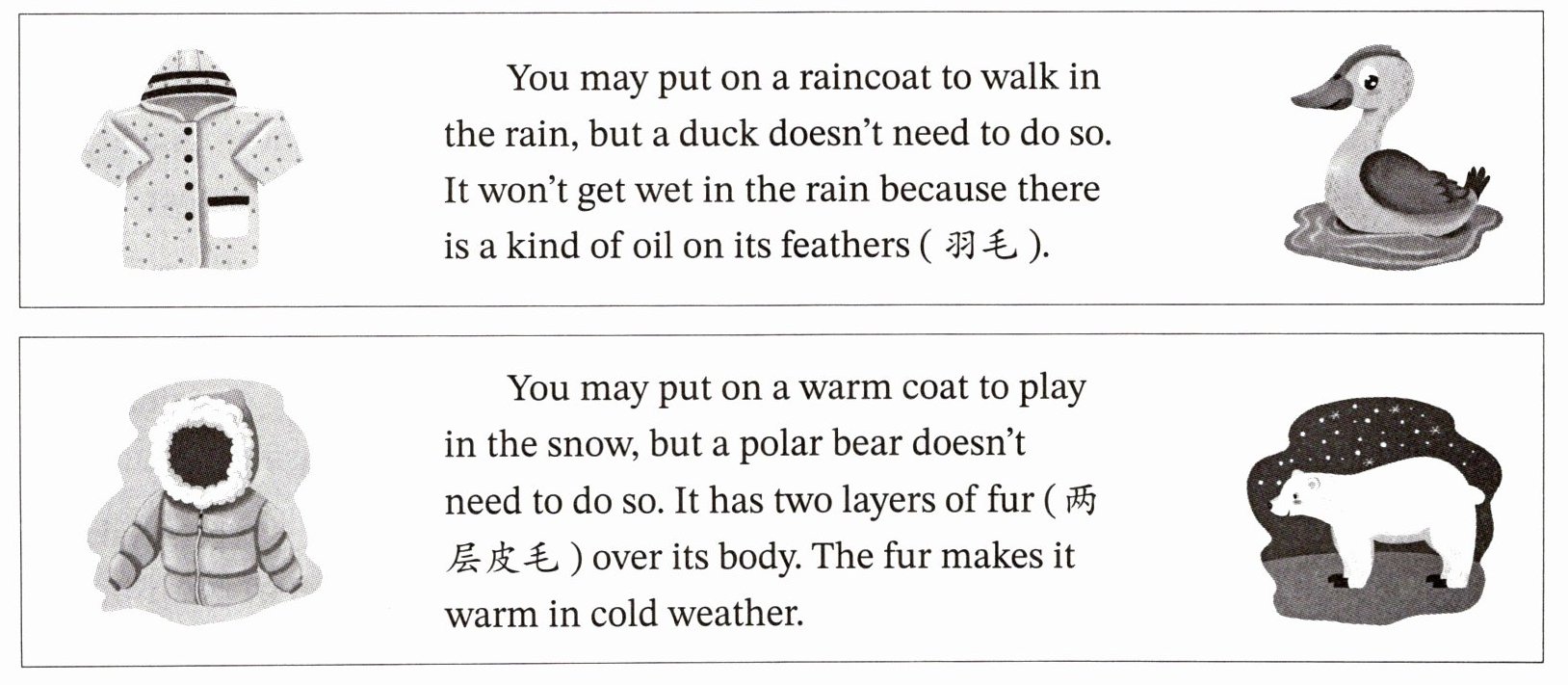
You may put on a raincoat to walk in the rain, but a duck doesn’t need to do so. It won’t get wet in the rain because there is a kind of oil on its feathers (羽毛).
You may put on a warm coat to play in the snow, but a polar bear doesn’t need to do so. It has two layers of fur (两层皮毛) over its body. The fur makes it warm in cold weather.
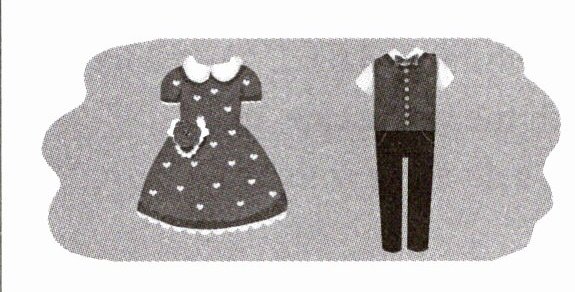
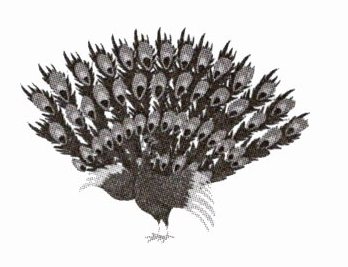
You may put on beautiful clothes for a special party, but a peacock doesn’t need to do so. It shows off (炫耀) its colourful feathers in the shape of a fan.
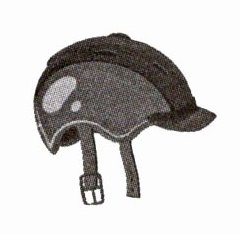
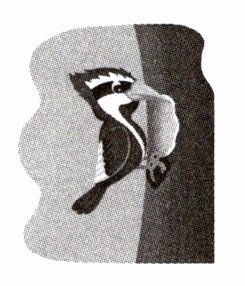
You may put on a bike helmet to protect your head, but a woodpecker doesn’t need to do so. Bam! Bam! It bangs (敲击) its head against tree trunks (树干) many times a day. Scientists are studying woodpeckers’ heads to learn how to build better helmets.
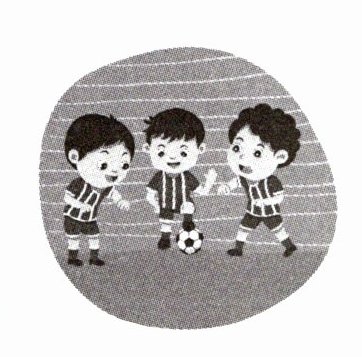
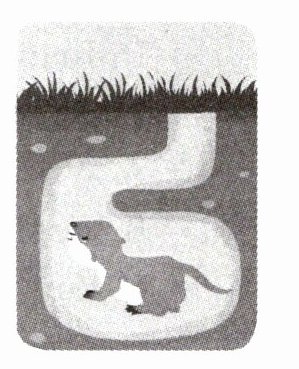
You may wear a uniform (制服) to show which team you’re on, but a naked mole rat (裸鼹鼠) doesn’t need to do so. It can’t see very well underground, so it uses smell to tell friends from strangers (陌生人).
任务一 根据绘本内容完成表格,每空一词。
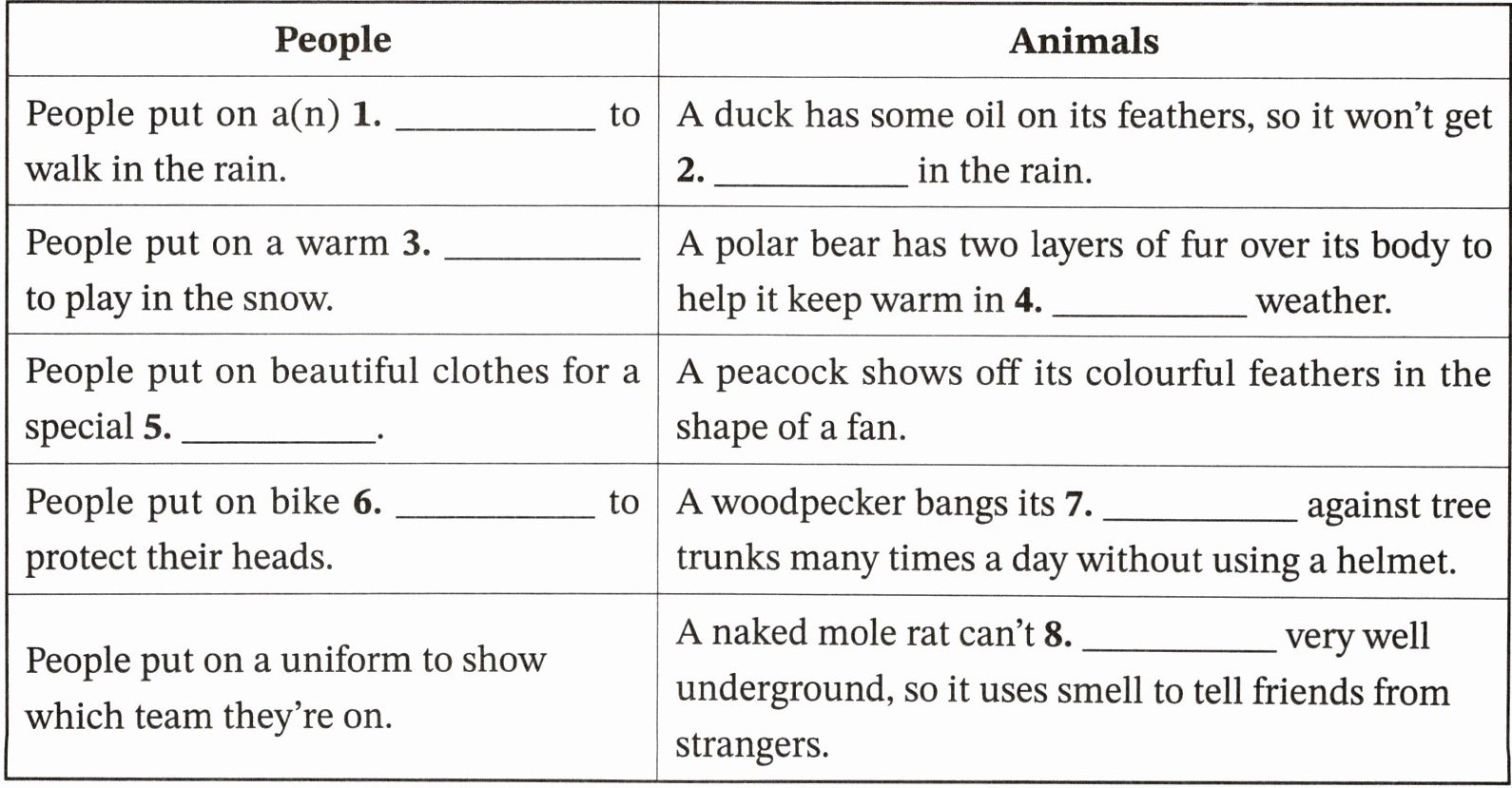
People Animals
People put on a(n) 1.
raincoat
to walk in the rain. A duck has some oil on its feathers, so it won’t get 2.
wet
in the rain.
People put on a warm 3.
coat
to play in the snow. A polar bear has two layers of fur over its body to help it keep warm in 4.
cold
weather.
People put on beautiful clothes for a special 5.
party
. A peacock shows off its colourful feathers in the shape of a fan.
People put on bike 6.
helmets
to protect their heads. A woodpecker bangs its 7.
head
against tree trunks many times a day without using a helmet.
People put on a uniform to show which team they’re on. A naked mole rat can’t 8.
see
very well underground, so it uses smell to tell friends from strangers.